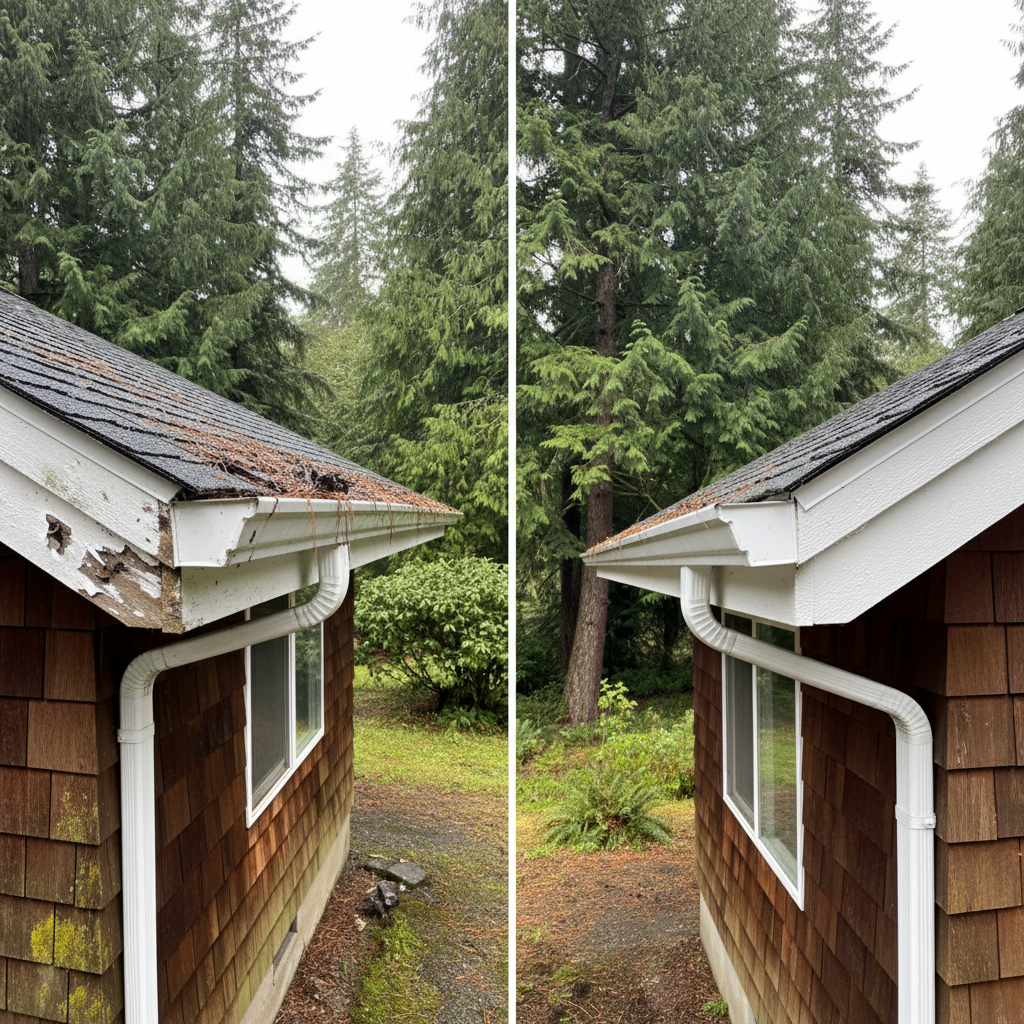
Alright, let's talk soffits. You've noticed some rot, maybe some peeling paint, or even a critter's taken up residence in your attic thanks to a gap. Now you're staring up at it, wondering, "Can I just patch this thing, or am I looking at a bigger job?" It's a common question, especially around here where our wet winters can really do a number on exterior wood.
Patching Soffits: The Quick Fix
Patching seems like the easy way out, right? And sometimes, it absolutely is. If you've got a small, isolated section of rot – maybe a few feet where a gutter overflowed once, or a small ding from a ladder – patching can be a solid, cost-effective solution.
- Cost: This is where patching shines. You're talking about buying a small piece of matching material, some caulk, paint, and a few hours of labor. It's usually significantly cheaper than a full replacement.
- Durability: This is the big 'if.' A good patch, done right, can last for years. But if the underlying issue isn't fixed – say, a persistent leak or poor ventilation – that patch is just going to be a temporary band-aid. It won't stand up to continued moisture or pests if the root cause isn't addressed.
- Maintenance: Patches often require more frequent inspection. You'll want to keep an eye on it to make sure the rot isn't spreading underneath or around the repair.
- Appearance: A skilled hand can make a patch blend in pretty well. But let's be honest, it's rarely invisible. You might see a slight difference in texture or paint sheen, especially on older homes with unique soffit styles.
My take? Patching is great for minor, localized damage. If it's just a small section, and the rest of your soffit system is sound, go for it. But don't fool yourself into thinking it's a permanent fix for widespread problems.
Full Soffit Replacement: The Long-Term Solution
Now, if you've got multiple sections of rot, or if the damage extends along a significant portion of your home, especially on older places in areas like the Norway Hill neighborhood where homes might have original, untreated wood soffits, then you're probably looking at a replacement. This isn't just about aesthetics; it's about protecting your home's structure and preventing bigger headaches down the road.
- Cost: No sugarcoating it, replacement costs more upfront. You're paying for more materials, more labor, and potentially scaffolding if it's a two-story home. But think of it as an investment.
- Durability: This is where replacement wins, hands down. When you replace, you're usually putting in new, often more durable materials – sometimes even pre-primed or pre-painted fiber cement or treated wood that can better withstand Bothell's damp climate. You're also getting a chance to inspect the fascia and rafter tails underneath, fixing any hidden issues.
- Maintenance: With new materials, your maintenance goes way down. You'll still need to clean and repaint eventually, but you won't be worrying about the integrity of the soffit itself for a good long time.
- Appearance: A full replacement looks fantastic. It gives your home a fresh, clean line, improving curb appeal significantly. Everything matches, everything's new.
For extensive damage, or if you're planning on staying in your home for years, replacement is almost always the smarter move. It gives you peace of mind and a much more durable, attractive finish.
My Recommendation for Bothell Homes
Given our Pacific Northwest weather – the constant drizzle, the heavy rains, the moss that loves to grow everywhere – I lean towards replacement for anything beyond very minor, isolated damage. Here's why:
- Hidden Damage: What you see on the surface is often just the tip of the iceberg. Once we start pulling off a section, we frequently find more extensive rot in the framing behind it, especially where gutters have been clogged or poorly installed over the years. A patch won't address that.
- Moisture Resistance: New materials are just better equipped to handle our climate. They're designed to resist rot, mold, and pests.
- Long-Term Value: While it costs more upfront, a full replacement adds more value to your home and prevents recurring issues that can nickel-and-dime you with repeated patch jobs.
Look, I'm not going to tell you to spend more money than you need to. If it's a tiny spot, patch it. But if you're seeing multiple areas of damage, or if the rot feels soft when you poke it, get a professional opinion. We can come out, take a look, and give you an honest assessment. Sometimes, it's just a small fix. Other times, it's time to do it right and protect your home for the long haul. That's what we do at All Things Gutter – make sure your home's exterior is solid.