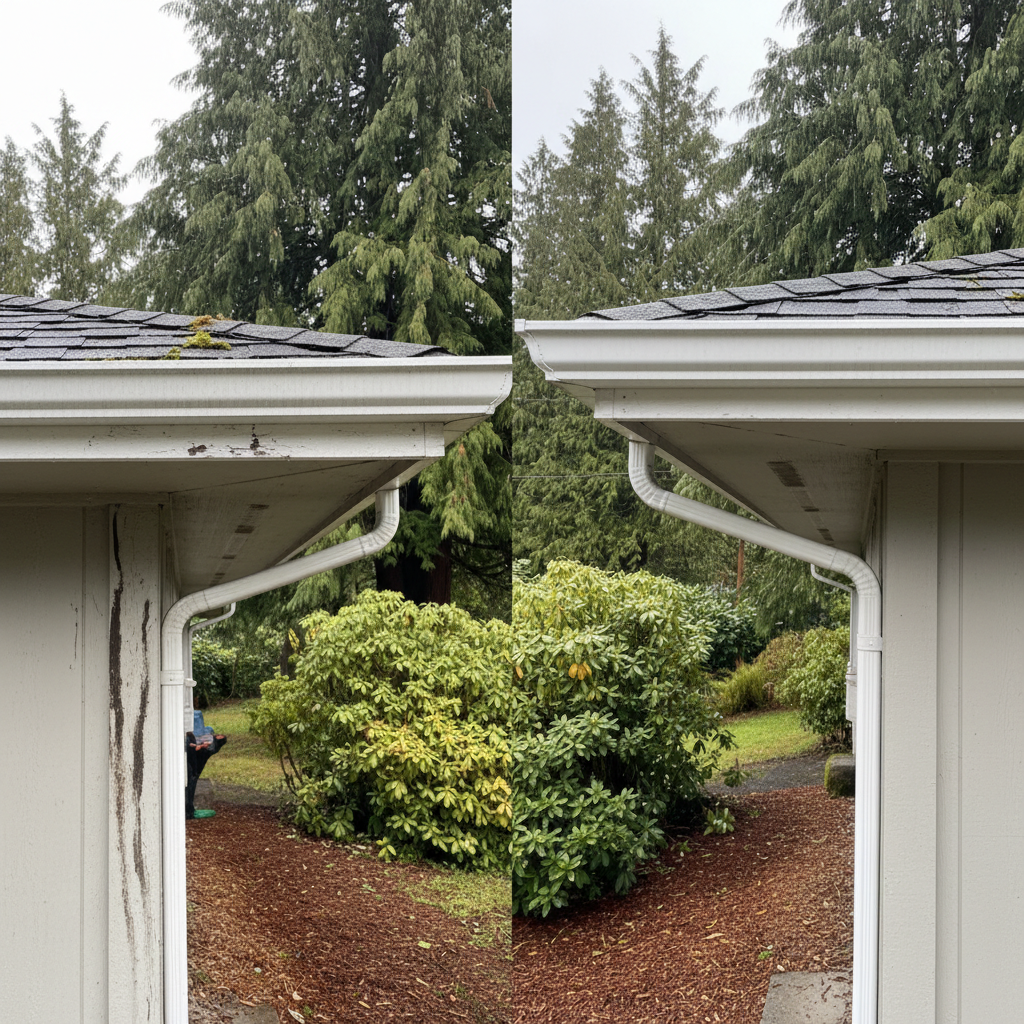
Soffits. Most folks don't think about 'em until they're falling apart, looking ratty, or you've got critters trying to move in. But if you're reading this, chances are you've noticed yours need some attention. When that happens, you're usually looking at two main paths: patching up the damage or tearing out the old and putting in new. As a contractor who's seen a lot of homes around Bothell, from the older places up near Canyon Park to the newer builds in Thrasher's Corner, I can tell you there's a time and a place for both.
Patching Soffits: The Quick Fix
Let's start with patching. This is exactly what it sounds like: you're fixing just the damaged sections. Maybe a small piece of wood rotted out, or a section of vinyl got hit by a rogue basketball. It's often cheaper upfront, and it's definitely quicker. You don't have a whole crew tearing things apart for days.
Cost: Generally lower. You're buying less material and paying for fewer labor hours. If it's a small, isolated spot, this can be a real budget-saver.
Durability: This is where it gets tricky. If the underlying issue (like a persistent leak or poor ventilation) isn't fixed, that patch is just a band-aid. It might look good for a bit, but the problem could just pop up somewhere else, or even right next to the patch. It's only as durable as the original, undamaged material around it.
Maintenance: You might end up doing more spot repairs down the road. If your soffits are old and tired, patching one spot means another weak point could show up next year.
Appearance: A good patch job can blend in, especially if you're painting over it. But if you've got textured or colored vinyl soffits, it can be tough to get a perfect match. You might end up with a visible seam or a slight color difference, which can bother some homeowners.
I've seen patching work great for minor, isolated damage on otherwise solid soffits. Think a small section of fascia board that got wet from a clogged gutter, or a single panel of aluminum that got bent. But if you've got widespread rot, mold, or multiple areas of damage, patching becomes less appealing.
Full Soffit Replacement: The Long-Term Solution
Now, let's talk about replacing all your soffits. This means taking out all the old material – usually wood, aluminum, or vinyl – and putting in brand new stuff. It's a bigger job, no doubt about it, but it often makes more sense in the long run, especially for homes here in the Pacific Northwest where moisture is a constant battle.
Cost: Higher upfront, absolutely. You're paying for more materials and more labor. But think of it as an investment in your home's protection and curb appeal.
Durability: This is where replacement shines. You're getting all new, consistent material. If you upgrade to a more durable option like vented aluminum or modern vinyl, you're building in better protection against rot, pests, and moisture. Plus, we can make sure your soffits are properly vented, which is huge for preventing attic moisture and ice dams during our wet winters.
Maintenance: Significantly reduced. New soffits, especially if they're made from low-maintenance materials, mean less painting, less worrying about rot, and a more consistent performance for years to come. You're basically hitting the reset button.
Appearance: Uniform and fresh. Everything matches perfectly, and you can even change the look of your home if you want. It boosts curb appeal and can even increase your home's value. No mismatched patches or faded sections.
For most homes in Bothell, especially those built before the 2000s, I lean towards full replacement. Our damp climate, with all that rain and humidity, really takes a toll on older wood soffits. Even well-maintained ones can start showing their age. When I see widespread rot, evidence of pests getting into the attic, or just general deterioration, I'm going to recommend a full replacement. It's not just about aesthetics; it's about protecting your home's structure and preventing bigger, more expensive problems down the line.
My Recommendation for Bothell Homeowners
Look, if you have one small, isolated section of damage on an otherwise solid, relatively new soffit system, a patch might be fine. But for the vast majority of homeowners I work with in Bothell, especially if your soffits are older, showing multiple signs of wear, or you're already dealing with pest issues, a full replacement is almost always the better long-term solution. It gives you peace of mind, improves your home's energy efficiency with proper ventilation, and frankly, it just looks a whole lot better.
It's an investment, sure, but it's one that pays off by protecting your biggest asset. Don't let those soffit problems fester. Give All Things Gutter a call, and we can come out, take a look, and give you an honest assessment of what makes the most sense for your home.