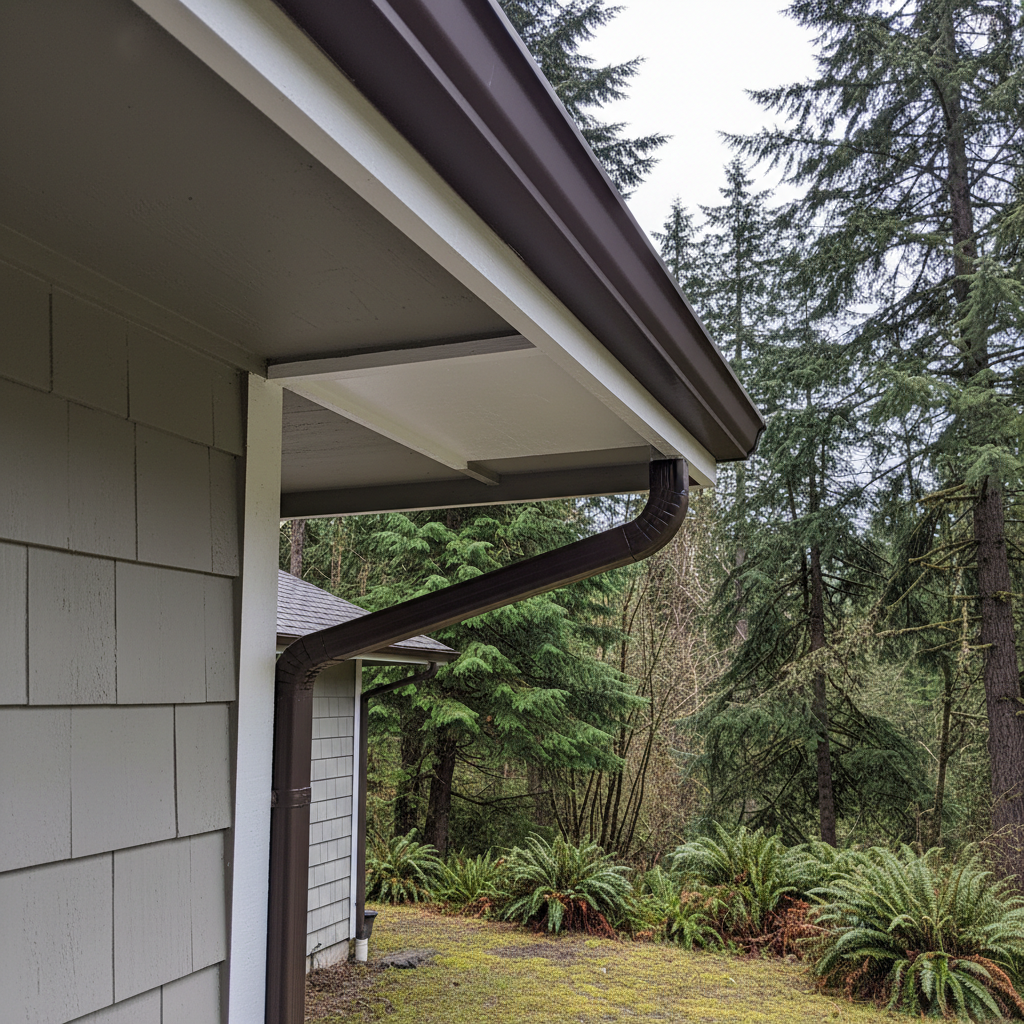
Your soffits are probably more important than you think. They're not just there to look nice; they actually protect your attic and roof structure from bad weather, pests, and moisture. Here in Bothell, with all our rain and that constant damp feeling, keeping them in good shape isn't just a suggestion — it's truly a must-do.
What Does Regular Soffit Maintenance Look Like?
It's not super complicated, but you do need to pay a little attention. Mostly, it's about looking things over, and it's often easiest to do when you're already cleaning your gutters.
- Clear the Debris: Leaves, pine needles, and other junk can get stuck in your soffit vents. This stops air from moving, which can lead to moisture building up in your attic. Grab a brush or a shop vac and clear those vents out, especially after a windy fall.
- Check for Clogs: While you're up there, make sure your gutters aren't spilling over onto the soffits. That's a sure way to invite moisture and rot. If your gutters are backed up, they need cleaning right away.
- Look for Water Stains: Any weird discoloration, streaks, or dark spots on the soffit material itself are big warning signs. It means water is getting in where it shouldn't, probably from a roof leak or gutters that are overflowing.
- Inspect Paint and Caulk: Peeling paint or cracked caulk isn't just an eyesore. It's an open door for moisture to soak into the wood or whatever material is underneath. A fresh coat of paint or a new line of exterior-grade caulk can really help protect your soffits.
- Keep an Eye on Critters: Wasps, birds, squirrels, and even bats just love a cozy, safe spot. If you spot nests or signs they've gotten in, deal with it fast. They can chew through materials and block your vents.
Warning Signs You've Got a Soffit Problem
Don't wait for a huge mess. Catching these problems early can save you a ton of money and a lot of headaches.
- Sagging or Bowing: If your soffit material isn't flat and straight, something's definitely wrong. It could be water damage making the material swell and droop, or maybe there are structural issues behind it.
- Holes or Gaps: Obvious holes are bad news, plain and simple. They let in water, pests, and cold air. Even tiny gaps can be entry points.
- Rotting Wood: This is a big deal, especially with our Bothell weather. If you have wood soffits, try poking them gently with a screwdriver. If the wood feels soft or crumbles, you've got rot. This usually happens from being wet for too long.
- Mold or Mildew: Dark green or black patches are a clear sign things are constantly damp. It means air isn't moving right, or water is getting in.
- Pest Infestations: Seeing lots of wasps around one specific spot, or hearing scratching noises up in your attic? Your soffits might be compromised, giving critters easy access.
- Missing Sections: Sometimes, especially after a big storm, a piece of soffit might just be gone. That leaves your attic completely exposed.
How to Extend the Life of Your Soffit Repairs (and Soffits in General)
Once you've had something fixed, or if your soffits are already in good shape, you want to keep them that way. It all comes back to managing moisture, doesn't it?
- Maintain Your Gutters Religiously: I really can't say this enough. Clean, free-flowing gutters are your soffits' best friend. If water constantly spills over, it's hitting your soffits, fascia, and siding. This is the main reason soffits fail early in our area. Maybe think about gutter guards if you're tired of cleaning them yourself.
- Ensure Proper Attic Ventilation: Soffit vents exist for a reason. They work with ridge vents or other attic vents to create airflow, stopping heat and moisture from building up. If your attic isn't ventilated well, that moisture can condense on the underside of your roof deck and on your soffits, leading to rot and mold.
- Regular Inspections: Just a quick walk around your house a couple of times a year (spring and fall are perfect) can catch small issues before they blow up into big ones. Grab some binoculars if you can't get a good close-up view.
- Address Roof Leaks Promptly: Any leak in your roof can quickly travel down to your soffits. Don't put off roof repairs.
- Use Quality Materials for Repairs: If you're doing a DIY patch, make sure to use exterior-grade materials that can handle our damp climate. If you call us at All Things Gutter, you can bet we're using the right stuff designed to last.
When to Call a Professional
Look, I'm all for homeowners tackling projects, but some things are just better left to the pros. You should definitely call someone if:
- You Suspect Extensive Rot: If you've got soft spots over a large area, or if the rot goes into the fascia or rafters, it's more than just a simple patch job. You need someone who can check the structural integrity.
- It's a High-Reach Job: If you need a really tall ladder or scaffolding to safely get to the problem area, please, just call us. Falling off a ladder isn't worth saving a few bucks.
- You're Unsure of the Cause: If you see water damage but can't quite figure out where the water's coming from, a professional can pinpoint the source — whether it's a roof leak, a flashing issue, or a gutter problem.
- Pest Damage is Significant: If critters have made a home in your soffits and caused a lot of damage, you might need specialized repair and pest exclusion.
- You're Just Not Comfortable: No shame in that, really. We're here to help. We deal with Bothell's unique challenges, like homes built into hillsides with tricky access, all the time.
Keeping your soffits in good shape is a really important part of home maintenance, especially with all the rain we get here in the Pacific Northwest. A little proactive care goes a long way in protecting your home from bigger, more expensive problems down the road.